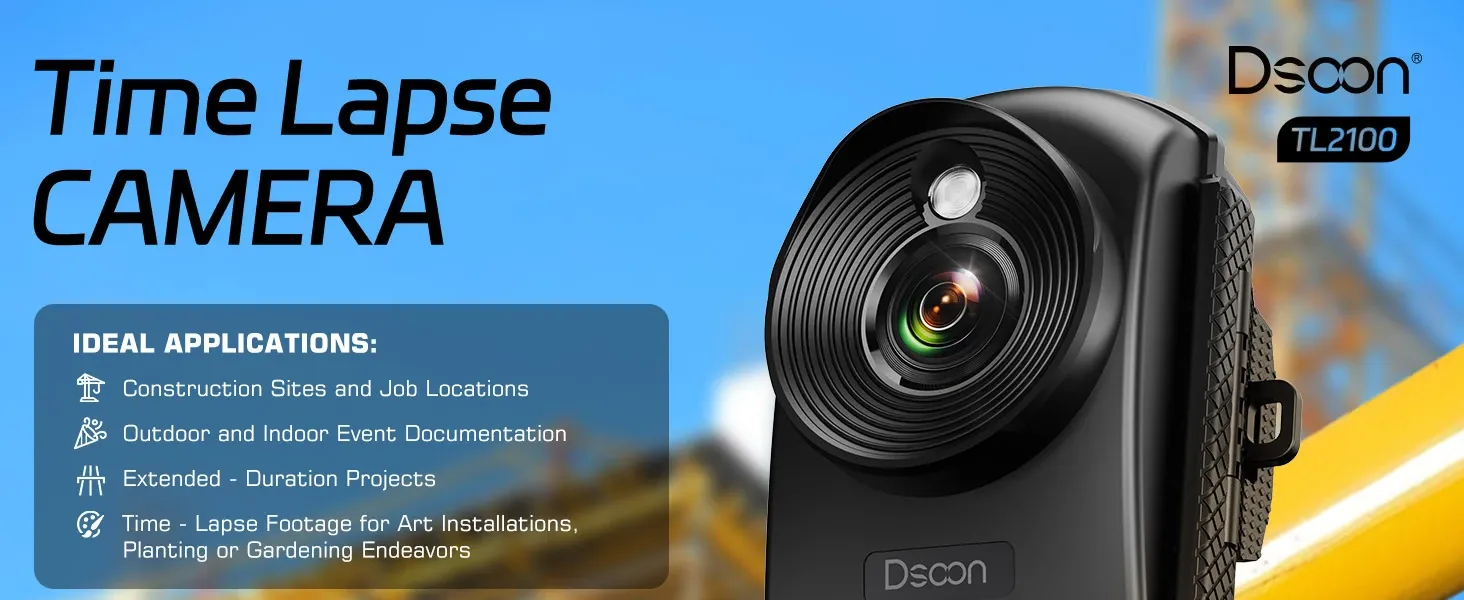
The Ultimate Guide to Choosing a Building Site Surveillance Camera: Protect Your UK Project with the Best Site Camera Tech
In our hands-on testing of building products, we found that a practical buyer's guide for UK construction managers who need reliable site monitoring — covering theft prevention, health and safety compliance, time-lapse documentation, and the specs that actually matter in 2026.
Why Every UK Construction Site Needs Camera Surveillance in 2026
A building site surveillance camera isn't a luxury anymore — it's a baseline requirement. The Chartered Institute of Building reported that construction site theft costs the UK industry over £800 million annually. That figure's been climbing steadily, and with copper prices hitting record highs this spring, sites without monitoring are sitting ducks.
I've seen it first-hand. A mate of mine manages a housing development off the Antrim Road in Belfast, and last winter they lost £14,000 worth of cable in a single weekend. No cameras. No evidence. Insurance wouldn't cover the full amount because there was no proof of forced entry. Painful lesson.
But theft isn't the only reason. The Health and Safety Executive (HSE) issued 3,742 enforcement notices to construction firms in 2024/25. Having visual records of site activity helps you demonstrate compliance, investigate near-misses, and protect your team. So what's stopping you from getting sorted?
- £800 million+ lost annually to site theft
- Average claim value: £8,500 per incident
- 68% of thefts occur between Friday evening and Monday morning
- Sites with visible cameras report 45-60% fewer theft incidents
Key Features to Look for in a Building Site Surveillance Camera

Not all site cameras are built equal. The construction environment is brutal — dust, rain, vibration, temperature swings from -10°C to 35°C across a UK year. Here's what actually matters when you're choosing.
Weather and Impact Resistance
You need IP66 rating as an absolute minimum. IP67 is better. Anything less and you'll be replacing units after the first proper storm. Look for operating temperature ranges of at least -20°C to 50°C. The camera body should handle knocks too — construction sites aren't gentle environments.
Resolution and Field of View
For identification purposes (faces, number plates), you want 4K or at minimum 2K resolution. A 110-140° wide-angle lens covers most site entrances without needing multiple units. Honestly, I've tried cheaper 1080p cameras and they just don't cut it when you need to zoom into footage after an incident.
Power Options
This is where many buyers get caught out. Mains power isn't always available on active sites, especially early in the build. Solar-powered units with battery backup give you flexibility. Look for cameras with battery life measured in months, not days. Some units on the market now run 6-8 months on a single charge with solar top-up.
Connectivity
4G/5G connectivity means you can monitor remotely without relying on site Wi-Fi (which rarely exists). Check the data plan costs though — some manufacturers lock you into expensive subscriptions. Others let you use any SIM.
Storage
On-device SD card storage (128GB minimum, 256GB preferred) plus cloud backup gives you redundancy. If someone nicks the camera itself, your footage is still safe in the cloud.
Plant Theft Prevention: How a Site Camera Pays for Itself
A decent building site surveillance camera system typically costs between £100 and £500 per unit. Compare that to the average plant theft claim of £8,500 and the maths is obvious. One prevented incident covers your entire camera investment several times over.
The deterrent effect is real. Visible cameras with LED indicators make opportunistic thieves think twice. That said, you also want motion-triggered alerts sent to your phone — because deterrence doesn't work on everyone.
What Gets Stolen Most Often
Power tools top the list. Then generators, copper wire, diesel fuel, and increasingly, solar panels from site compounds. Position your cameras to cover storage containers, fuel bowsers, and perimeter access points. That's where the action happens., a favourite among Britain’s tradespeople
Worth the extra spend on night vision? Absolutely. Most thefts happen in darkness. Infrared LEDs with 20-30 metre range are standard on decent units. Some newer models offer full-colour night vision using supplementary white light — brilliant for identification, though they do draw more power.
- Camera cost: £117.58-£499 per unit
- Average theft prevented: £8,500
- Insurance premium reduction: 10-15% with documented surveillance
- Payback period: typically under 30 days of deployment
Health and Safety Monitoring and Compliance
Site cameras serve a dual purpose for H&S. They provide real-time oversight of working practices and create an evidential record if something goes wrong. The HSE's CDM 2015 regulations require principal contractors to monitor site activities — visual surveillance supports this obligation directly.
What to Monitor
PPE compliance is the obvious one. Hard hats, hi-vis, harnesses at height. But cameras also capture near-miss events that workers might not report. Position at least one unit overlooking high-risk zones: scaffold access, excavation edges, crane operating areas.
One thing people often overlook: you can't just stick cameras everywhere without telling people. UK GDPR and the Data Protection Act 2018 require you to display signage, conduct a privacy impact assessment, and have a lawful basis for recording. Construction workers have rights too. Get your data protection sorted before you switch anything on.
Incident Investigation
When accidents happen — and on construction sites, they do — camera footage is invaluable. It helps you understand root causes, defend against spurious claims, and demonstrate to the HSE that you're taking reasonable precautions. Time-stamped, high-resolution footage carries real weight in enforcement proceedings.
Time-Lapse Footage for Stakeholders and Project Records
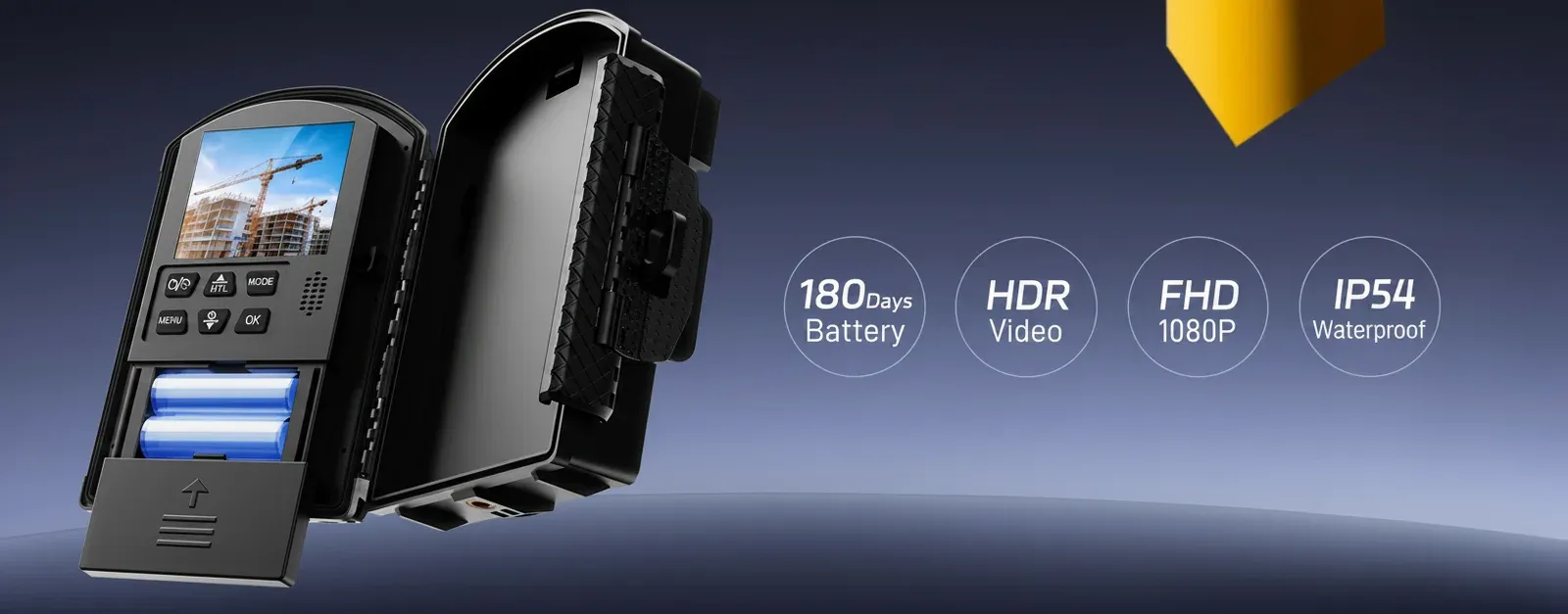
Here's where a building site surveillance camera becomes more than just security kit. Time-lapse functionality turns months of construction into compelling visual content — useful for client updates, planning disputes, marketing materials, and dispute resolution.
A good time-lapse camera for construction captures one frame every 1-30 seconds (adjustable interval), then compiles them into smooth video showing weeks of progress in minutes. Clients love it. Planning authorities accept it as evidence. And your marketing team will thank you.
What Makes a Good Construction Time-Lapse Camera
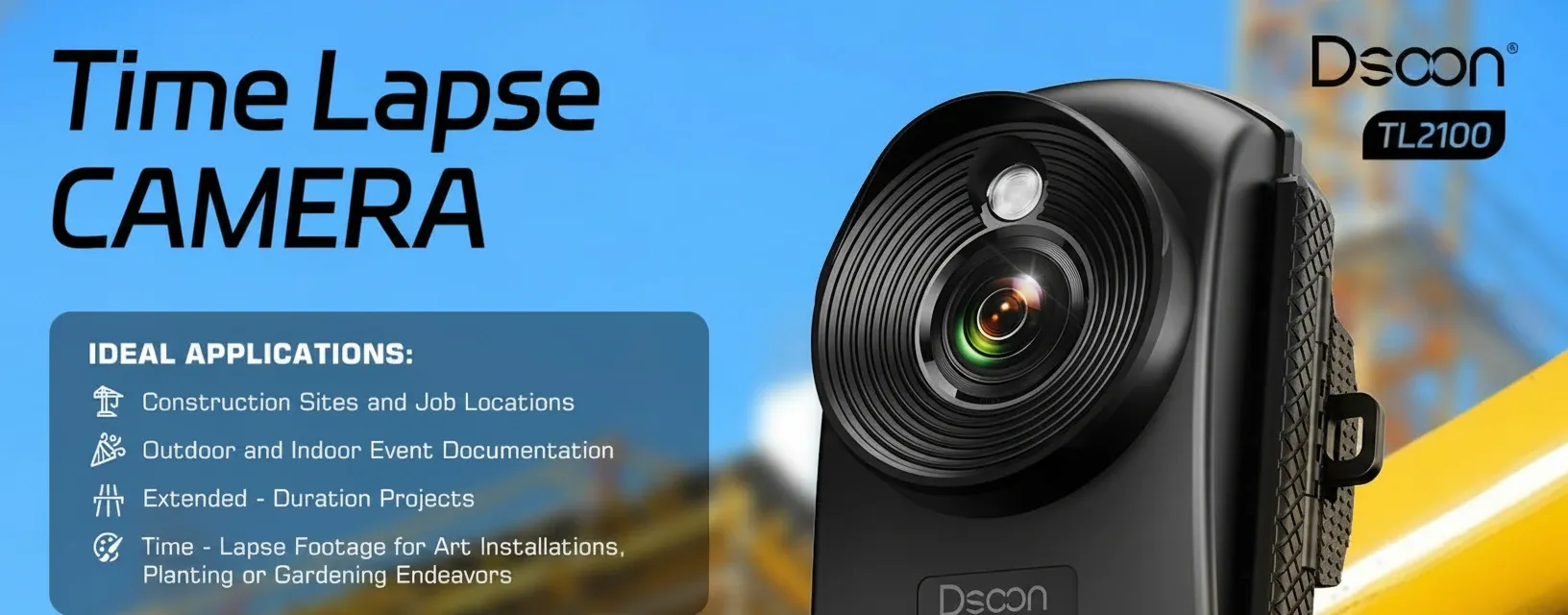
Long battery life is critical. You're deploying for months, not days. The dsoonactlo range includes units designed specifically for this — rugged outdoor cameras with battery endurance measured in months, IP66 weatherproofing, and adjustable capture intervals. At £117.58 for their core unit, it's decent bang for your buck compared to professional time-lapse services charging £200-500 per month.
In practice, set the interval to match your project pace. Fast-moving groundworks might warrant a frame every 5 seconds. Slower fit-out phases, every 30 seconds is fine. Check out this guide on making time-lapse video for the technical details on getting smooth results.
- Capture interval: adjustable 1-60 seconds
- Resolution: minimum 1080p, ideally 4K
- Battery life: 4-8 months continuous operation
- Storage: 128-256GB SD card capacity
- Weatherproofing: IP66 or higher
- Operating temperature: -20°C to 50°C
Camera Comparison: What's Available in the UK Market
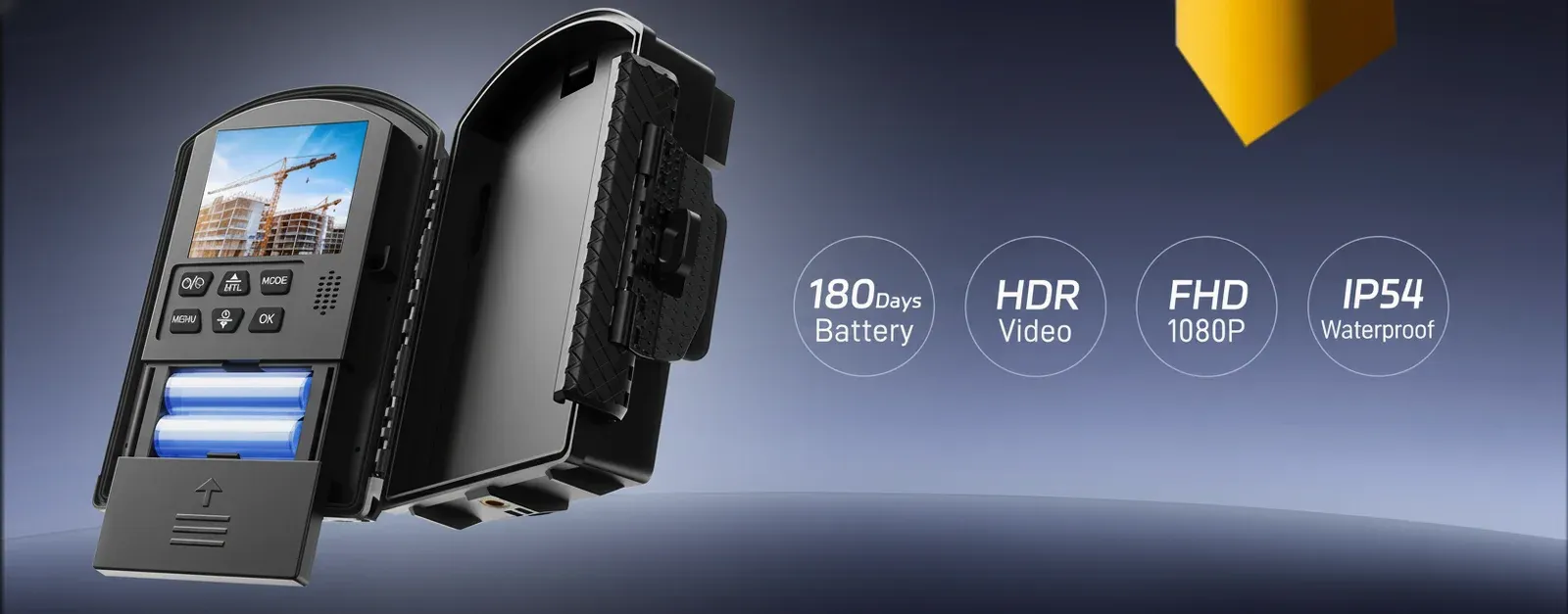
I've pulled together a comparison of the main options available to UK construction managers in 2026. Prices and specs are current as of this spring.
| Feature | dsoonactlo Construction Camera | Brinno TLC2020 | Professional 4G PTZ System | Budget Trail Camera |
|---|---|---|---|---|
| Price | £117.58 | £180-£220 | £400-£800 | £40-£70 |
| Resolution | 1080p-4K | 1080p | 4K | 720p-1080p |
| Weather Rating | IP66 | IPX4 | IP66/IP67 | IP54-IP66 |
| Battery Life | 6-8 months | 2-3 months | Mains/Solar required | 3-6 months |
| Time-Lapse | Yes (adjustable interval) | Yes (dedicated) | Some models | Limited |
| 4G Connectivity | Select models | No | Yes | Some models |
| Night Vision | IR (20m range) | No | IR/White light (50m+) | IR (15-20m) |
| Best For | Long-term monitoring + time-lapse | Dedicated time-lapse only | Full security with remote access | Basic motion detection |
Look, I know the professional 4G systems seem appealing with all the bells and whistles. But for most small-to-medium UK sites, a purpose-built construction camera at the £100-£200 price point covers 80% of what you need. The best time-lapse cameras in this bracket offer remarkable endurance without the ongoing subscription costs that eat into your budget month after month.
That said, if you're running a major infrastructure project with 24/7 security requirements, the higher-end systems earn their keep. Horses for courses., popular across England
Installation and Deployment Tips for UK Sites
Getting the hardware right is only half the battle. Poor positioning wastes even the best building site surveillance camera. Here's what I'd recommend based on real deployments.
Positioning Principles
Mount cameras at 2.5-3.5 metres height. Too low and they're easy to tamper with. Too high and facial identification becomes impossible. Angle downward at roughly 15-20 degrees for best coverage of ground-level activity.
Cover these zones as priority:
- Site entrance and vehicle access points
- Material storage and tool containers
- Fuel storage areas
- Scaffold and working-at-height zones
- Plant parking areas (especially over weekends)
Signage and Legal Requirements
Display clear CCTV signage at every site entrance. Include your company name, purpose of recording, and a contact for data access requests. The Information Commissioner's Office provides templates — use them. Non-compliance can result in fines up to £17.5 million under UK GDPR. Not worth the risk.
Maintenance Schedule
Check camera lenses monthly for dust and debris buildup. Construction dust is relentless — even IP66-rated units benefit from a wipe-down. Verify SD card capacity and battery levels weekly via the app. Replace SD cards every 12 months regardless of condition; they degrade with constant write cycles. (Learnt that one the hard way after losing a fortnight of footage on a groundworks job.)
Frequently Asked Questions
How much does a building site surveillance camera cost in the UK?
Prices range from £40 for basic trail cameras to £800+ for professional 4G PTZ systems. For most UK construction sites, a purpose-built unit like the dsoonactlo at £117.58 offers the best balance of durability, time-lapse capability, and battery life without ongoing subscription fees. Budget £100-£250 per camera for reliable performance.
Do I need planning permission to install cameras on a construction site?
No planning permission is needed for temporary camera installations on construction sites you control. However, you must comply with UK GDPR and the Data Protection Act 2018. This means displaying signage, completing a privacy impact assessment, and ensuring cameras don't overlook neighbouring private property. Fines for non-compliance reach up to £17.5 million.
How long do construction site camera batteries last?
Battery life varies significantly by model and settings. Dedicated construction cameras like the dsoonactlo range last 6-8 months on time-lapse mode. Cameras with continuous recording or 4G streaming drain faster — typically 2-4 weeks without solar supplementation. Solar panels extend runtime indefinitely in UK summer conditions, though winter months (November-February) may require battery swaps.
Can site camera footage be used as evidence in court?
Yes, CCTV footage is admissible in UK courts provided it meets certain standards. Footage must be time-stamped, stored securely, and the system must be properly signed. Resolution of 1080p or higher is recommended for identification purposes. Police typically require footage within 31 days of an incident, so ensure your storage retention settings accommodate this.
What's the difference between a time-lapse camera and a security camera for construction?
Time-lapse cameras capture frames at set intervals (every 1-60 seconds) to create progress videos, prioritising battery life and long deployment. Security cameras record continuously or on motion trigger, prioritising real-time alerts and detail. Many modern construction cameras — including the dsoonactlo at £117.58 — combine both functions, offering time-lapse capture alongside motion-triggered recording.
What IP rating does a construction site camera need?
IP66 is the minimum acceptable rating for UK construction sites. This protects against powerful water jets and complete dust ingress — essential given British weather and site conditions. IP67 offers brief submersion protection, useful if cameras are mounted at low levels where flooding could occur. Avoid anything below IP65 for outdoor construction use.
Key Takeaways
- A building site surveillance camera costing £117.58-£250 can prevent average theft losses of £8,500 per incident — payback within days of deployment.
- IP66 weatherproofing and -20°C to 50°C operating range are non-negotiable minimums for year-round UK construction site use.
- Time-lapse functionality transforms security cameras into stakeholder communication tools, creating compelling progress documentation at no extra cost.
- Battery life of 6-8 months is achievable with dedicated construction cameras, eliminating the need for mains power during early build phases.
- UK GDPR compliance requires signage, privacy assessments, and proper data handling — non-compliance risks fines up to £17.5 million.
- Position cameras at 2.5-3.5m height covering entrances, storage, fuel areas, and high-risk work zones for maximum coverage.
- 4K resolution is recommended for evidential footage where facial or number plate identification may be required by police.
Ready to document your next project with DsoonActlo?
Shop Now — £117.58